Sweden's Consumer Safeguards and Their Influence on Loyalty Rewards in Emerging Licensed Gaming Venues
Skriven av Petra Foster · 2026-08-23
Sweden's Consumer Safeguards and Their Influence on Loyalty Rewards in Emerging Licensed Gaming Venues
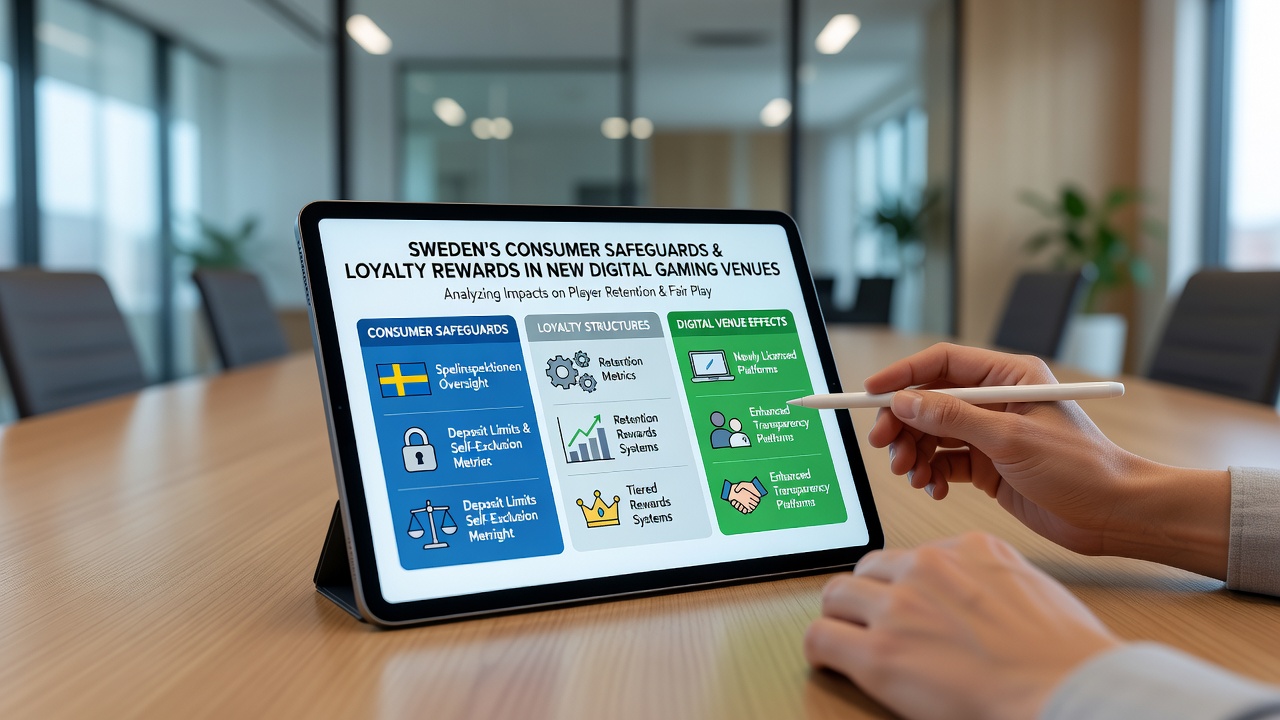
Sweden maintains a structured licensing system through Spelinspektionen that requires all operators to meet strict consumer protection standards before offering services to residents, and these rules extend directly into how loyalty reward structures can function at newly approved digital gaming venues. Operators must integrate features such as mandatory spending limits, self-exclusion tools, and transparent reward disclosures from the outset, which shapes the design of bonus schemes and player retention programs in specific ways. Data from the authority shows that venues licensed after 2019 have adjusted their loyalty mechanics to align with these requirements rather than relying on unrestricted bonus escalation.
Core Elements of Sweden's Consumer Protection Framework
Spelinspektionen enforces rules that cover deposit caps, reality checks during play sessions, and clear separation between promotional offers and actual gameplay, while newly licensed platforms must demonstrate compliance through detailed audits before launch. These measures apply uniformly across digital venues entering the market, creating a baseline that influences every aspect of reward distribution. Research indicates that such safeguards reduce the risk of excessive engagement by limiting how quickly players can accumulate or redeem loyalty points tied to wagering activity. Observers note that platforms often restructure their programs around time-based rewards or skill-related achievements instead of pure volume-based incentives to stay within regulatory boundaries.
Adjustments to Loyalty Structures Under Regulatory Oversight
Loyalty programs at fresh licensees typically incorporate built-in pauses and verification steps that reflect Sweden's emphasis on player control, leading many venues to replace unlimited cashback tiers with capped reward cycles that reset after set intervals. Figures from industry reports reveal that operators have shifted toward non-monetary perks such as exclusive game access or personalized account features because these options face fewer restrictions while still encouraging retention. Experts have observed that this approach maintains player engagement without triggering mandatory spending alerts that accompany high-value bonus offers, and the pattern appears consistently across venues approved in recent licensing rounds.
Impact on New Digital Gaming Venues Entering the Market
Platforms receiving licenses in 2025 and into 2026 must submit loyalty program details during the application process, which means reward structures receive pre-approval rather than retroactive adjustments after launch. This requirement leads operators to design systems that automatically pause accumulation when players reach predefined thresholds, a practice that aligns with broader consumer safeguard goals. Data shows that venues adopting these integrated controls report steadier player retention rates compared with earlier models that relied on aggressive bonus stacking. What's interesting is how many new entrants now embed loyalty tracking directly into their responsible gambling dashboards so users can monitor both playtime and reward progress in one view.

August 2026 marks the next scheduled review cycle for several recently approved operators, and compliance teams continue refining how loyalty mechanics interact with mandatory cooling-off periods. According to records maintained by the licensing body, venues have increasingly incorporated educational prompts within reward redemption flows to inform players about the statistical value of points relative to actual deposits. These additions satisfy transparency rules while preserving the appeal of structured loyalty benefits. Researchers tracking the sector note that such integrated features appear more frequently among operators that entered the market after stricter enforcement guidelines took effect.
Comparative Patterns Across Licensed Platforms
Analysis of approved loyalty schemes indicates that venues targeting Swedish players tend to favor tiered systems based on consistent activity rather than large initial deposits, because the latter approach often conflicts with deposit limit protocols. Trade data compiled by European gaming associations highlights that platforms with these moderated structures maintain compliance scores above 95 percent during routine inspections. Observers point out that this consistency helps new licensees avoid the extended review periods that can delay market entry for those submitting more complex reward proposals. The ball's in the operators' court to balance attractive incentives with the regulatory framework that governs every transaction and point allocation.
Conclusion
Sweden's consumer safeguards continue to guide the evolution of loyalty reward structures at newly licensed digital gaming venues by requiring transparency, built-in limits, and pre-approved mechanics that prioritize player control. Platforms entering the market adapt their programs accordingly, often replacing volume-driven bonuses with controlled, verifiable alternatives that meet ongoing compliance standards. Records through August 2026 show this pattern holding steady as more operators receive approval under the established framework. Spelinspektionen licensing statistics and reports from the OECD gambling policy reviews provide further detail on how these protections shape operational practices across the sector.