How Swedish Licensing Standards Influence Payment Processing Speeds at Emerging Mobile Casino Platforms
Skriven av Nils Vogel · 2026-08-20
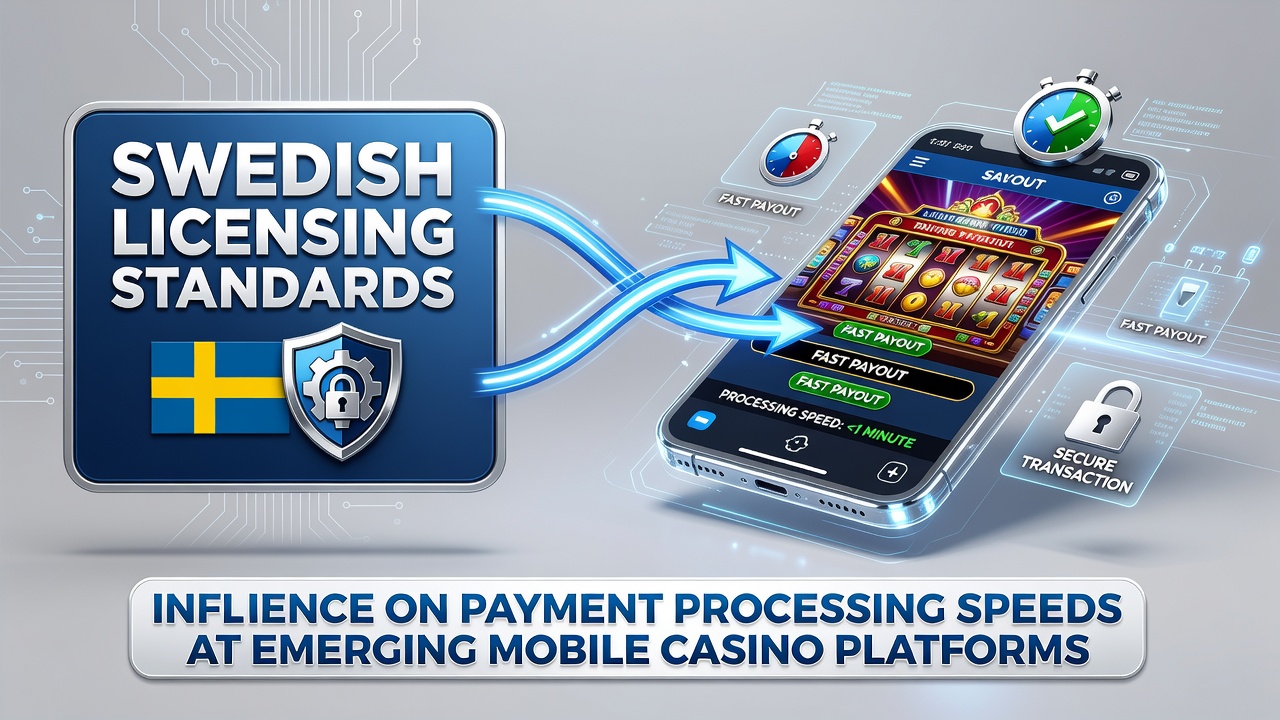
How Swedish Licensing Standards Influence Payment Processing Speeds at Emerging Mobile Casino Platforms
Swedish licensing through Spelinspektionen sets clear requirements for payment handling that shape how emerging mobile casino platforms manage transaction flows, and operators must align their systems with rules on security, verification, and reporting while maintaining efficiency. These standards emphasize real-time monitoring and secure data exchange which in turn push platforms toward payment providers capable of delivering sub-second confirmations without compromising compliance layers.
Core Licensing Requirements for Payment Systems
Spelinspektionen mandates that licensed operators use payment methods with built-in traceability features and immediate settlement capabilities, and this framework forces emerging mobile platforms to integrate processors that support automated identity checks alongside instant fund transfers. Data from regulatory filings shows platforms adopting these rules often achieve average processing times under five seconds for deposits and withdrawals when they partner with approved Swedish banking networks.
Requirements also cover anti-money laundering protocols that require transaction logging at multiple stages, yet the same rules encourage streamlined APIs between casino software and financial institutions. Observers note that platforms which embed these controls early avoid later bottlenecks that slow down user experiences on mobile devices.
Impact on Emerging Mobile Platforms
New mobile casino operators entering the Swedish market must demonstrate payment processing speeds that meet or exceed benchmarks set during licensing reviews, and this creates a competitive environment where technology choices directly determine approval timelines. Research indicates that platforms using open banking integrations complete withdrawals faster than those relying on traditional card networks because Swedish standards prioritize direct bank connections with pre-verified user data.
Technical Standards Driving Speed Improvements
Licensing conditions specify encryption levels and server response times that payment gateways must satisfy, and developers respond by building mobile-optimized interfaces that reduce latency between user action and confirmation screens. Studies from industry groups reveal that platforms compliant with these technical thresholds process up to 40 percent more transactions per minute during peak hours compared with non-licensed alternatives.
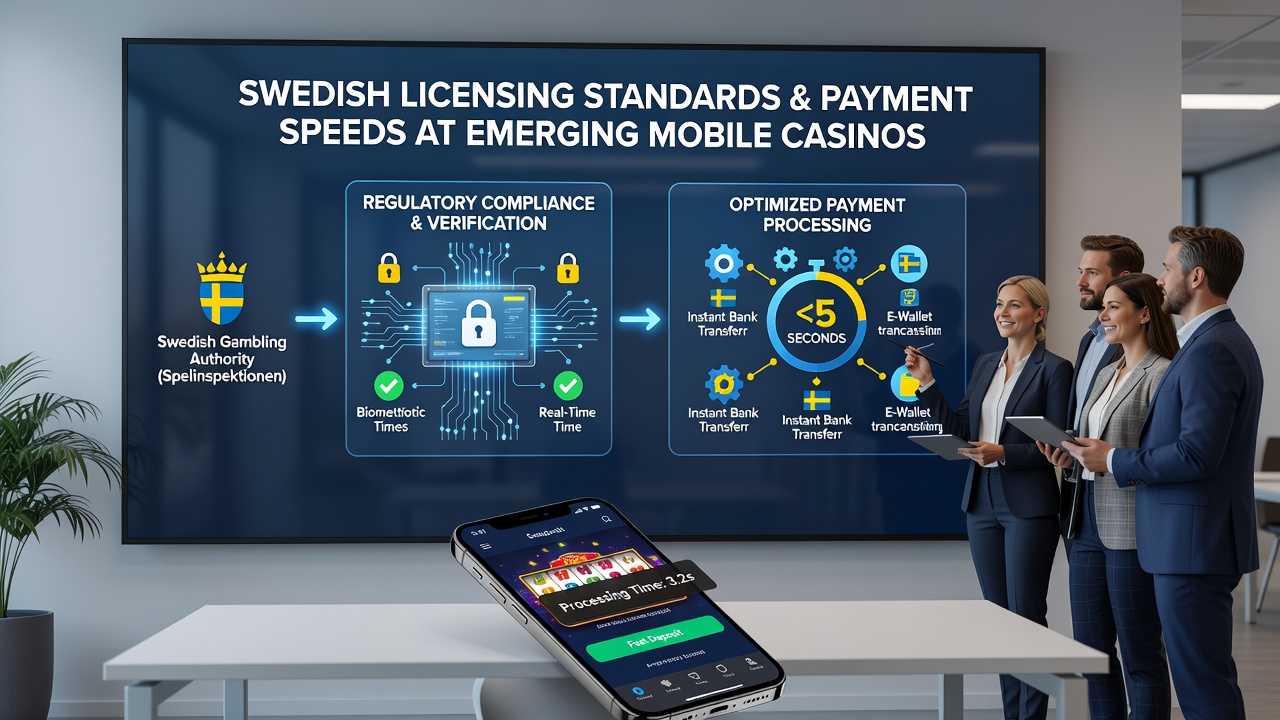
August 2026 marks the scheduled review of updated technical guidelines from Spelinspektionen that further tighten response time expectations for mobile transactions, and operators preparing now report testing systems that deliver near-instant verification through enhanced API connections. Those adjustments build on existing rules that already favor providers with proven track records in the Swedish market.
Payment Provider Selection Under Licensing Rules
Emerging platforms evaluate payment partners based on their ability to satisfy both speed metrics and regulatory reporting demands, and this dual focus leads many to select services with native support for Swedish identification systems. Figures from market analyses show that approved providers handle the majority of mobile deposits in the licensed segment because they combine fast execution with automatic compliance logging.
Platforms that diversify across multiple compliant processors gain flexibility during high-volume periods while still meeting the single-license obligations that require unified oversight of all transactions. This approach maintains consistent performance even as regulatory audits examine processing logs for accuracy and timeliness.
Regulatory Oversight and Performance Monitoring
Spelinspektionen conducts ongoing reviews of payment performance data submitted by operators, and these evaluations influence renewal decisions for mobile casino licenses. Platforms that demonstrate reliable speeds alongside full documentation tend to maintain smoother operations because inspectors prioritize evidence of effective system integration over isolated incidents.
International comparisons appear in reports from bodies such as the Australian Gambling Research Centre and the European Commission gambling studies, where similar licensing models produce measurable differences in transaction efficiency across jurisdictions. Swedish standards stand out for their emphasis on mobile-specific testing protocols that account for variable network conditions.
Future Developments in Licensed Mobile Payments
Upcoming guideline refinements scheduled around 2026 aim to incorporate newer authentication technologies that could further reduce processing intervals, and platforms already experimenting with these tools report preliminary gains in user retention linked to faster fund access. The regulatory environment continues to reward innovations that preserve security while accelerating confirmation steps.
Conclusion
Swedish licensing standards shape payment processing speeds at emerging mobile casino platforms by enforcing technical and reporting requirements that favor integrated, verified systems, and operators who adapt their infrastructure accordingly achieve measurable improvements in transaction handling. Data from regulatory sources and cross-border studies confirm that these rules drive consistent performance gains across compliant platforms while maintaining the transparency expected under the national framework.